
 By
Introduction
Speakers with bare wire connections are an effective way to optimize your audio setup, offering enhanced sound quality by reducing interference. By directly connecting your speaker wires to audio equipment, you can achieve a purer sound transmission, making it a preferred method for many audiophiles. This comprehensive guide will provide insights into selecting, setting up, and maintaining speakers with bare wire connections, helping you get the most out of your audio system.
Understanding Bare Wire Speaker Connections
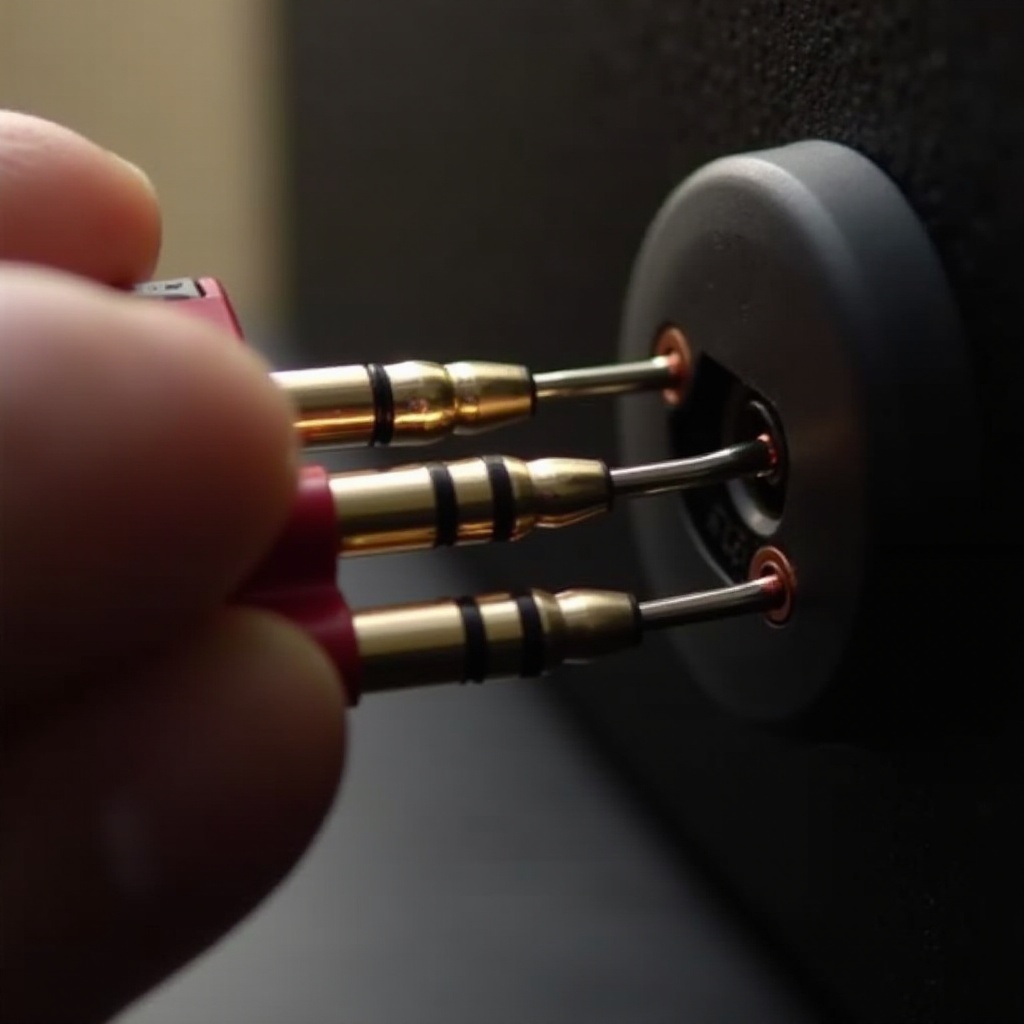
Bare wire speaker connections involve directly linking speaker wires to terminals without the use of additional connectors, such as banana plugs or spade connectors. This method minimizes potential interference and signal degradation, allowing for a more authentic audio experience.
– What Are Bare Wire Connections?
Bare wire connections involve using exposed wire ends to directly connect speakers to audio equipment. This simple method reduces the chances of signal loss, as there are no additional connectors to interfere with the sound signal. The resulting purity in audio transmission is one of the main reasons audiophiles prefer this method.
– Advantages of Bare Wire over Other Connectors
Bare wire connections offer several advantages:
1. Cost-Effective: No need for additional connectors or adapters.
2. Reliable Contact: Direct wire-to-terminal connection ensures stable and clear audio signals.
3. Versatility: Compatible with most speakers and audio systems.
These are compelling reasons to consider bare wire connections. Choosing the right speakers is the next step to maximizing these benefits.
Choosing the Right Speakers for Bare Wire Setup
When selecting speakers suitable for bare wire connections, compatibility and sound performance should be top priorities. Here are some guidelines to consider:
– Types of Speakers Suitable for Bare Wire
Several types of speakers are ideal for bare wire setups:
1. Bookshelf Speakers: Compact with accessible binding posts, making connection easy.
2. Floor-standing Speakers: Larger with robust terminals to accommodate bare wire securely.
– Key Considerations in Selection
Consider the following when choosing speakers:
1. Impedance and Power Handling: Match speakers’ specifications with your amplifier to prevent damage.
2. Room Size: Ensure speakers are appropriate for the size of your listening space for optimal sound dispersion.
Once you have the right speakers, you can move on to the setup process that will form the backbone of your audio experience.
Setting Up Speakers with Bare Wire Connection
Proper setup is crucial for achieving the best sound quality with bare wire connections. Follow this step-by-step guide to ensure a successful setup:
– Required Tools and Materials
Gather the following before beginning:
– Wire cutters/strippers
– Quality speaker wire
– Screwdriver (if needed)
– Cloth for cleaning terminals
– Step-by-Step Connection Guide
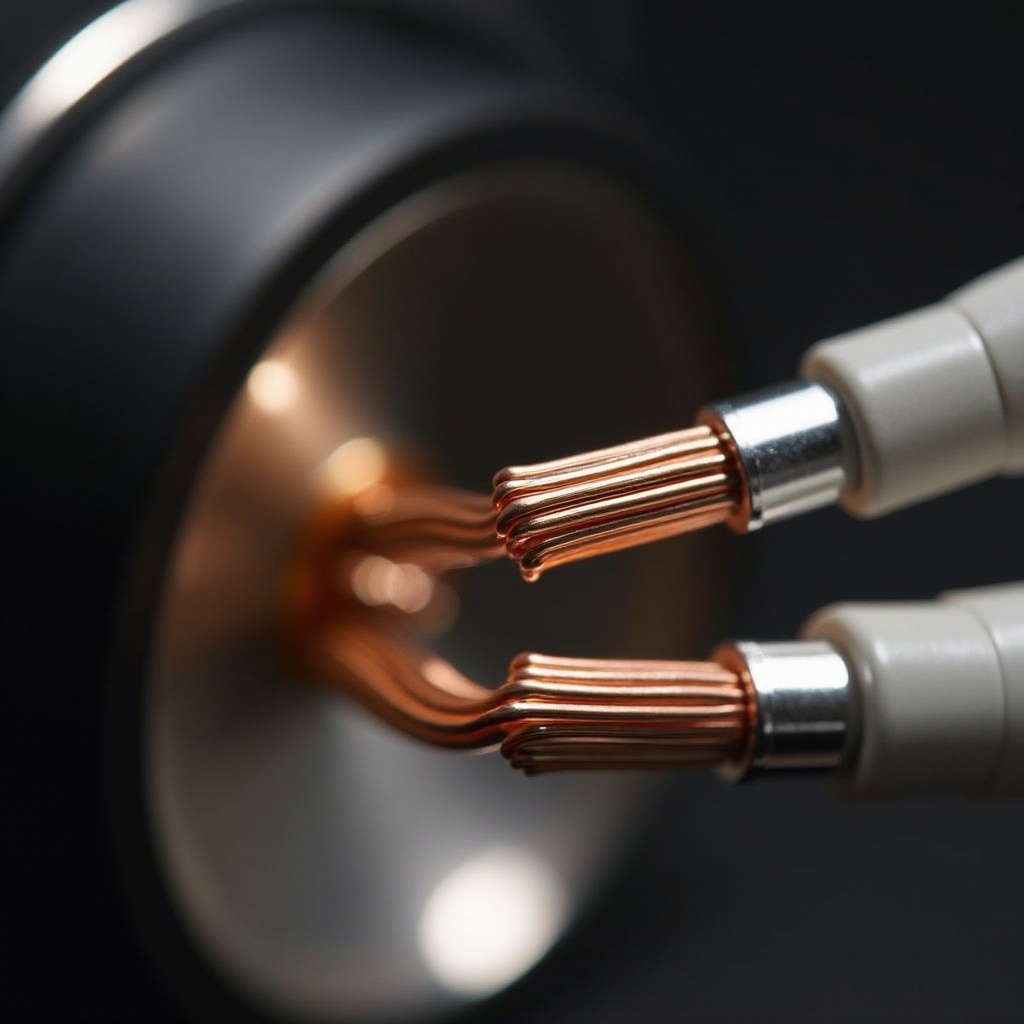
1. Prepare the Wire: Strip about half an inch of insulation from the end of the speaker wire to expose the copper strands.
2. Twist the Strands: Tightly twist the exposed strands to prevent fraying.
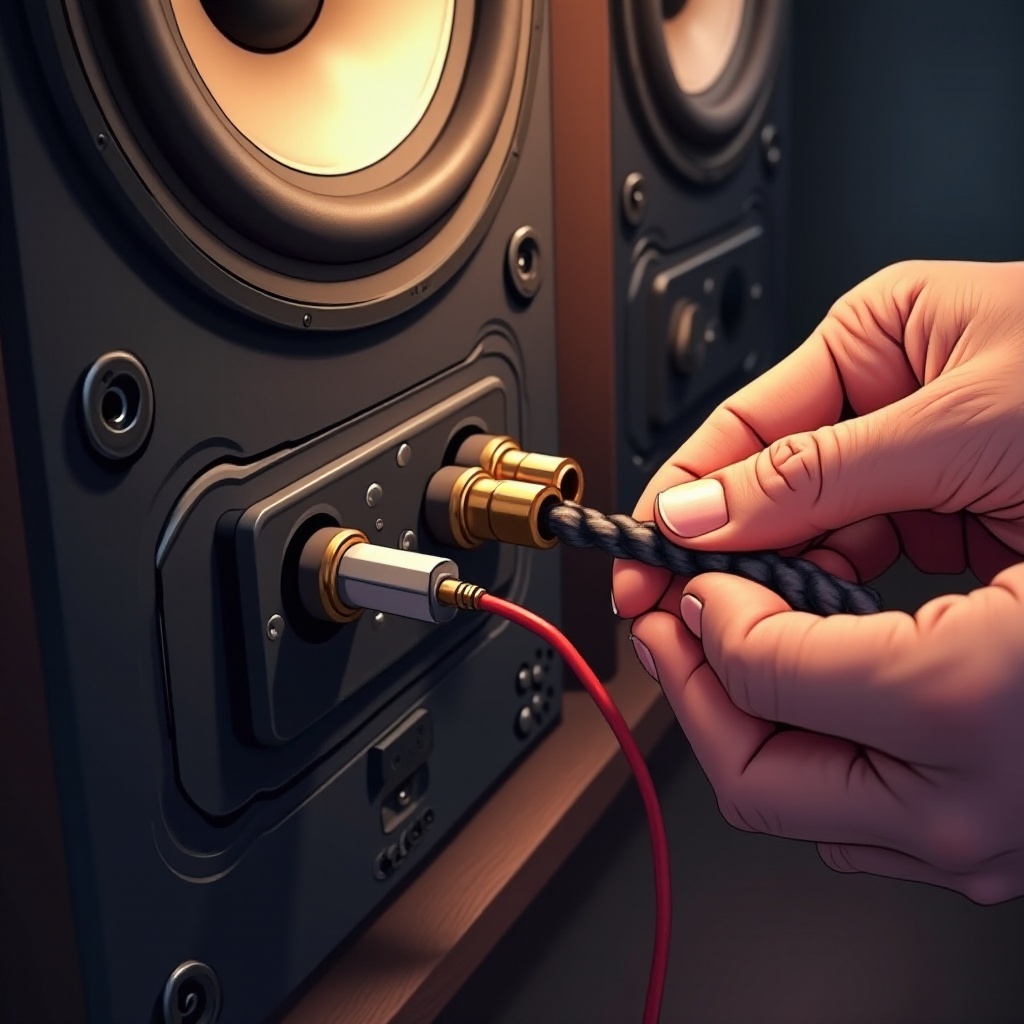
3. Connect to the Speaker: Loosen the binding post, insert twisted wire, and tighten the connection.
4. Connect to the Receiver: Repeat the process on the corresponding terminal of your receiver.
5. Test the Connection: Turn on your audio system and play a test sound to check for clarity and correct connection.
With your speakers connected, focus on enhancing sound quality to take full advantage of the setup.
Enhancing Sound Quality with Bare Wire Connections
Now that your speakers are connected, it’s time to optimize the sound quality for an improved listening experience.
– Tips for Optimal Performance
1. Use High-Quality Wire: Choose wires with a higher copper content for superior conductivity.
2. Minimize Wire Length: Keep wires short to reduce resistance and potential signal loss.
3. Secure Connections: Ensure all connections are tight to prevent signal disruption.
– Common Mistakes to Avoid
1. Frayed Wires: Strands that aren’t tightly twisted can cause short circuits.
2. Incorrect Polarity: Ensure positive wires connect to positive terminals and negative to negative to avoid audio phase issues.
Ensuring high sound quality requires consistent maintenance of your audio setup. Addressing potential issues is crucial for continuous top-tier performance.
Troubleshooting Bare Wire Connections
Even well-set-up systems can run into issues. Identifying and resolving these problems quickly is essential for maintaining optimum operation.
– Identifying Connection Issues
Be vigilant for these indicators:
– Unexpected noises, like crackling or popping
– Inconsistent audio output
– Distorted sound quality
– Simple Fixes for Common Problems
1. Recheck Connections: Ensure wires are correctly and securely attached to terminals.
2. Inspect Wires: Look for any signs of damage or wear along the wire and replace if needed.
3. Clean Terminals: Dust or debris can impede connections; gently clean terminals to maintain sound quality.
These troubleshooting steps will help keep your audio system performing at its best. A well-maintained setup yields the best audio results, enhancing your listening pleasure.
Conclusion
Bare wire connections offer a streamlined approach to achieving high-quality audio. By carefully selecting the right speakers, setting them up systematically, and maintaining the system properly, you can enjoy an unmatched audio experience. Use this guide to make the most of your audio investment, ensuring clear, crisp sound every time.
Frequently Asked Questions
What is the advantage of using bare wire for speaker connections?
Bare wire connections ensure better sound quality by minimizing signal interference and providing a secure, direct link between audio components.
How can I ensure a secure connection with bare wire?
Ensure wires are tightly twisted, connected to clean terminals, and fastened securely to avoid signal loss and maintain sound integrity.
Are bare wire connections safe for all types of speakers?
Yes, most speakers accommodate bare wire connections, but always check your speaker’s manual to ensure compatibility and avoid any potential damage.