
 By
By When your iPhone meets an unexpected water adventure, swift action is crucial to minimize damage. Water intrusion can cause severe issues, but with the right steps, you can salvage your device. This guide will take you through immediate actions, effective drying techniques, and professional options, empowering you to tackle water damage head-on.
Understanding Water Damage in iPhones
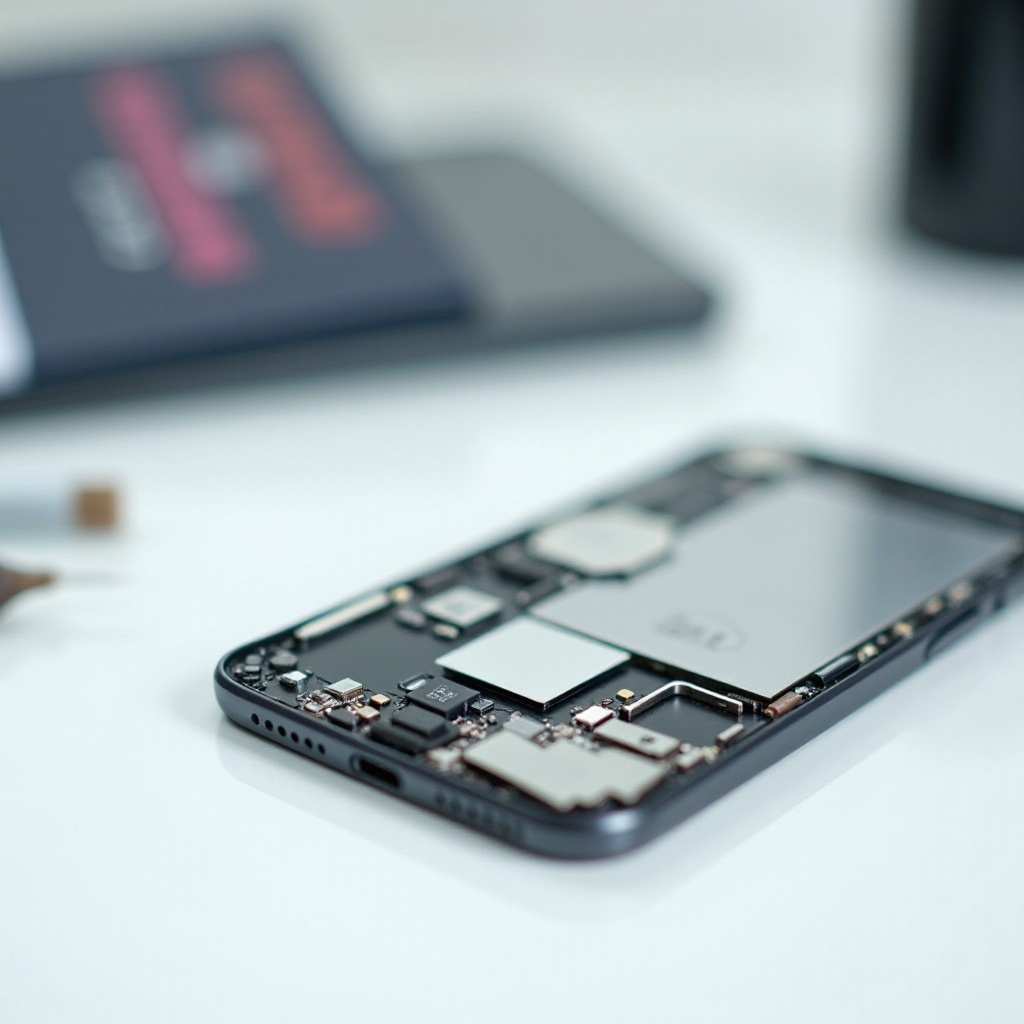
iPhones, like most electronics, are vulnerable to water exposure, which can affect internal components like the battery and logic board. The consequences can range from minor glitches to complete failure. Importantly, charging a wet phone exacerbates the risk, making immediate intervention essential.
How Water Affects Your iPhone
Water can seep into your device through small openings, affecting its internal circuitry. If water reaches the battery or logic board, it can cause short circuits and corrosion, leading to severe damage. This is why it’s critical to refrain from turning on or charging a wet phone.
Identifying Signs of Water Damage
Common indicators include a malfunctioning screen, erratic button responses, or muffled speaker output. You might spot water under the screen or receive a moisture detection alert. Recognizing these symptoms early can prompt timely action, potentially saving your device.
Transitioning from understanding to action, let’s delve into the immediate steps necessary to combat water damage effectively.
Immediate Steps to Take if Your iPhone Gets Wet
Acting swiftly can significantly reduce water damage. If your iPhone gets wet, follow these immediate steps:
- Turn off your iPhone immediately to prevent short circuits.
- Remove any protective case, accessories, and the SIM card to facilitate drying.
These initial steps create a foundation for the drying methods that follow, ensuring your iPhone is as secure as possible.
Effective Drying Methods for Your iPhone
Once you’ve secured your device, the next crucial step is drying it thoroughly. Several methods can aid this process, each with its own merits.
The Rice Method – Pros and Cons
While popular, the rice method—immersing your phone in uncooked rice—has limitations. Rice can absorb moisture over time but may leave starch residue inside your phone. Despite its popularity, consider combining this with more effective techniques.
Using Silica Gel Packs
Silica gel packets, commonly found in packaging, are excellent moisture absorbers. Place your iPhone in a sealed container with silica gel to absorb moisture more efficiently than rice. It’s a more reliable and cleaner method for drying electronics.
The Air Drying Technique
Air drying involves placing your phone in a well-ventilated area. Circulating air with a fan can speed up the drying process. This method requires patience but avoids potential residues left by other substances.
These drying techniques are integral to the recovery process, but avoiding common mistakes is equally vital.
Common Mistakes to Avoid
While drying your iPhone, avoid these common pitfalls to prevent further damage:
The Dangers of Using Heat Sources
Using hairdryers or ovens to speed up drying might seem logical but is dangerous. Heat can warp components and exacerbate damage, so it’s best to rely on gentler drying methods.
Why You Shouldn’t Charge the Device
Resist the temptation to plug in your phone before confirming it’s dry. Connecting a wet device to power can lead to irrevocable damage through short circuits.
Avoiding these mistakes complements the previous methods, enhancing your chance of successfully recovering the device.
Professional Repair Options
For severe cases, professional repair services offer a secure alternative to DIY methods:
Visiting an Apple Store
Apple provides reliable diagnostics and repair services for water-damaged iPhones. They can offer professional assessments and remedies, minimizing further risk.
Evaluating Third-Party Repair Services
While third-party repairs can be cheaper, ensure they have credible certifications. Reliable services should offer warranties and have positive reviews, ensuring your phone’s safety.
Professional help is invaluable when DIY methods are insufficient, offering peace of mind through expert intervention.
Preventing Future Water Damage
Prevention is the best defense against water damage. Adopting preventive measures can save your iPhone from future incidents.
Understanding Your iPhone’s Water Resistance
Familiarize yourself with your device’s IP rating, which indicates resistance levels to water and dust. Remember, water-resistant does not mean waterproof.
Protective Cases and Additional Tips
Investing in waterproof cases for your iPhone is a proactive step. Be mindful of your phone’s exposure to water and establish preventive habits.
Prevention strategies empower users to handle their devices with confidence, knowing they’re less likely to encounter water damage.
Conclusion
Understanding and implementing these steps to combat water damage can preserve your valuable device. By recognizing warning signs, taking immediate protective steps, and utilizing effective drying methods, you can avert disaster. In cases beyond your control, seeking professional help ensures the best outcome in restoring your iPhone.
Frequently Asked Questions
Can I repair a water-damaged iPhone myself?
Yes, following proper steps can restore minor damages, but major ones might need professional repair.
How long should I leave my iPhone to dry?
Leave it to dry for at least 24-48 hours to ensure thorough moisture removal before powering it back on.
Is it possible to fully recover a water-damaged iPhone?
Recovery largely depends on the extent of damage and intervention timeliness. Swift action increases chances significantly.